
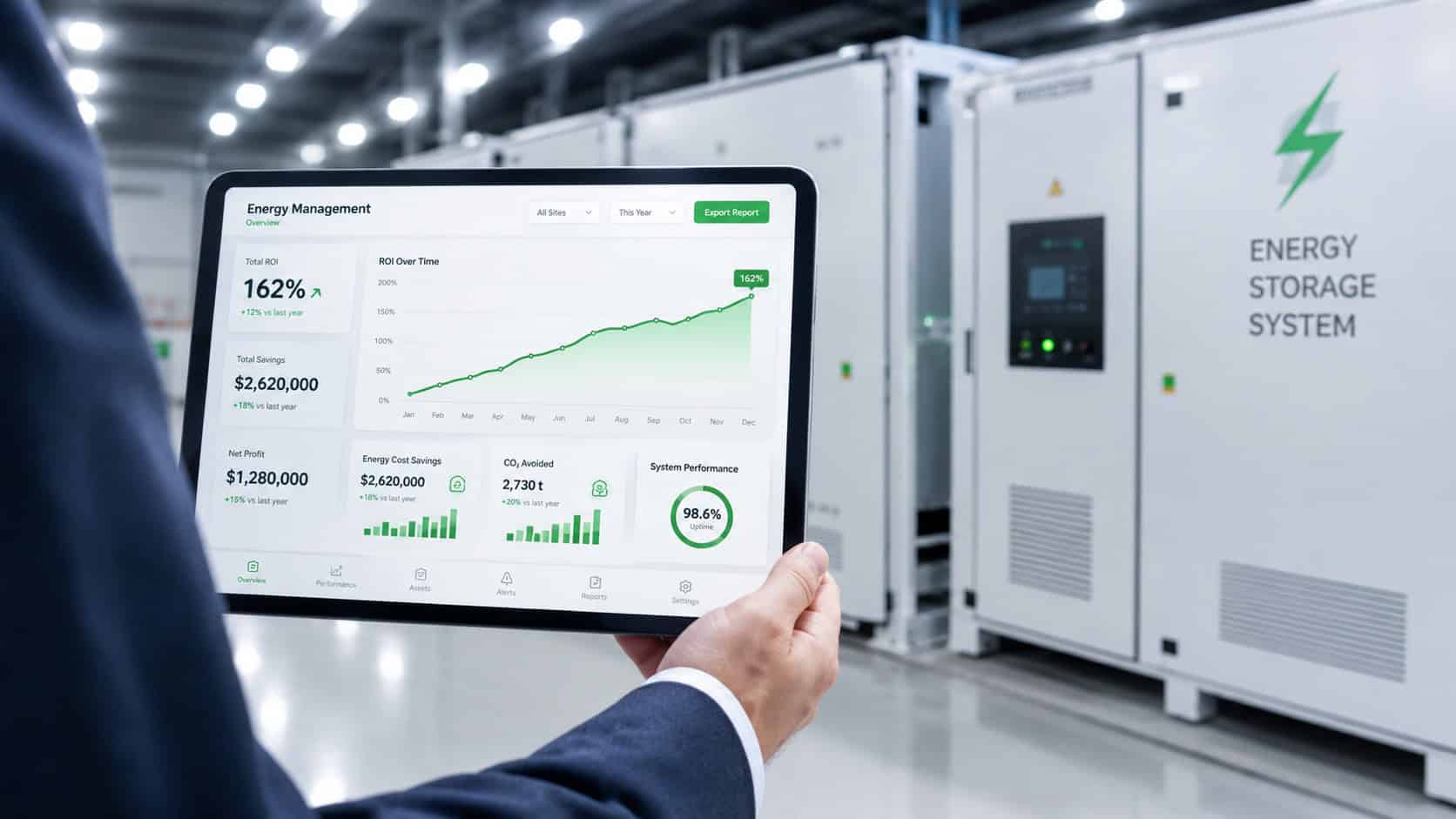

Battery storage is one of the most talked-about energy investments right now. That makes sense, because the energy market is changing rapidly, electricity prices are fluctuating more wildly, solar panels don’t always generate power when you’re using it, and charging stations are creating new peaks in demand. Grid capacity is also becoming a strategic constraint for many companies.
One question keeps coming up: When does a battery pay for itself?
The honest answer: it depends on your business case. For many companies, a realistic payback period today is somewhere between 3 and 7 years. Sometimes it’s faster. Sometimes it’s slower. And in some cases, a battery simply isn’t the right investment yet.
Why There Is No Standard Answer
The ROI depends on how your company uses energy and when you generate solar power generate power, what peaks you cause, what kind of energy contract you have, and how efficiently the battery is managed.
So two companies using the same battery can achieve completely different levels of efficiency.
At one company, battery storage primarily results in lower peak costs. For another company, the focus is on maximizing self-consumption of solar energy. Yet another company uses the battery primarily to better manage dynamic rates or charging stations.
That’s why a proper ROI calculation never starts with the battery. It starts with the data.
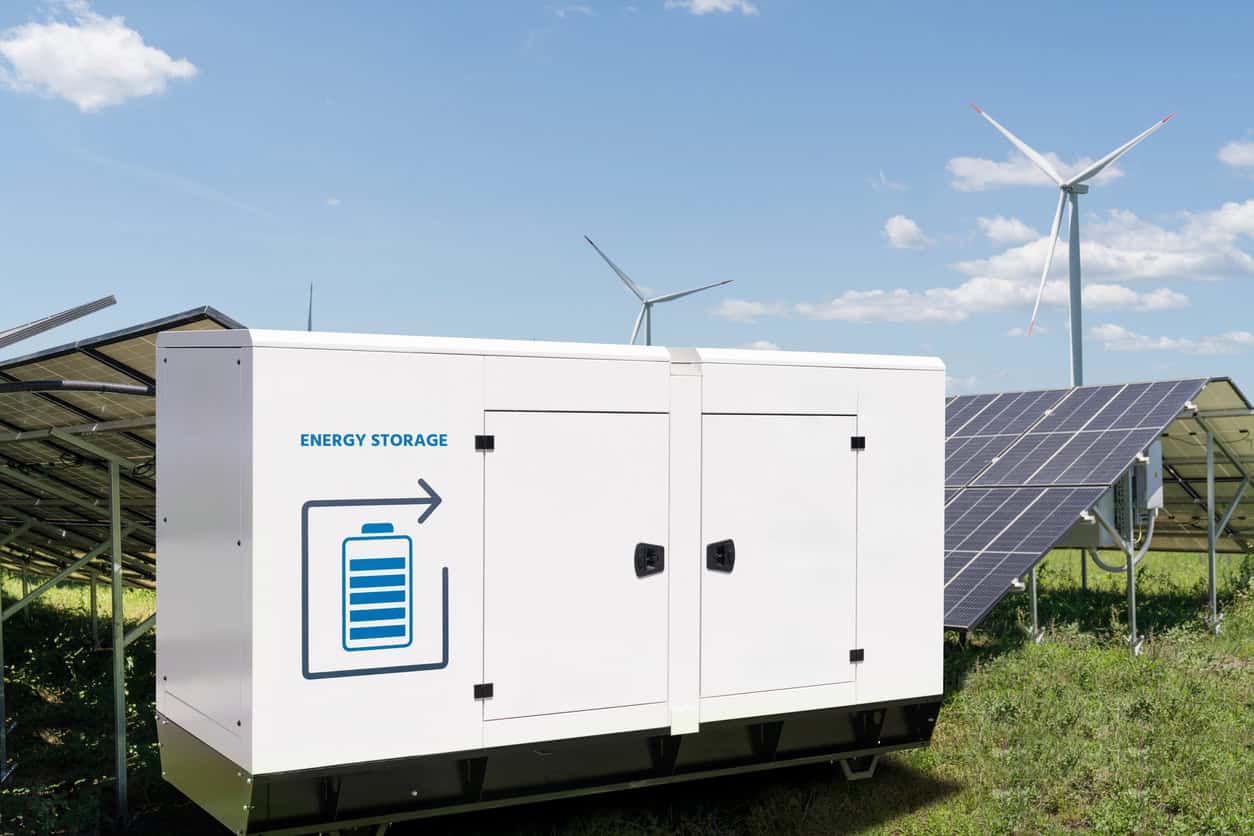
Where does the return come from?
A corporate battery can create value in various ways:
- It can store excess solar energy, so you can use it yourself later instead of feeding it back into the grid for a low rate.
- It can help reduce smooth out .
- It can charge when electricity is cheaper and discharge when electricity is more expensive.
- It can provide additional flexibility when your connectivity is limited or when your business wants to grow.
For companies with charging stations, solar panels, production peaks, or highly variable consumption, this combination could be an attractive option.

Realistic between 2025 and 2030
The 2025–2030 period will be important for battery storage in the business sector as companies increasingly electrify their operations. Examples include electric vehicles, heat pumps, machinery, production processes, and charging infrastructure. At the same time, the electricity grid is becoming more congested and energy prices are becoming more dynamic.
A battery can help with this, but only if it’s used correctly. A battery that’s too large remains underutilized. A battery that’s too small lacks impact. A battery without smart control doesn’t make the most of price differences, peak demand, and solar generation.
Therefore, a payback period of 3 to 7 years is realistic for strong business cases. For companies with high solar energy output, high demand peaks, or a clear need for flexibility, the ROI may be on the shorter side. For companies with flat consumption, little on-site generation, or limited price fluctuations, the payback period will be longer.
Smart management determines the return on investment
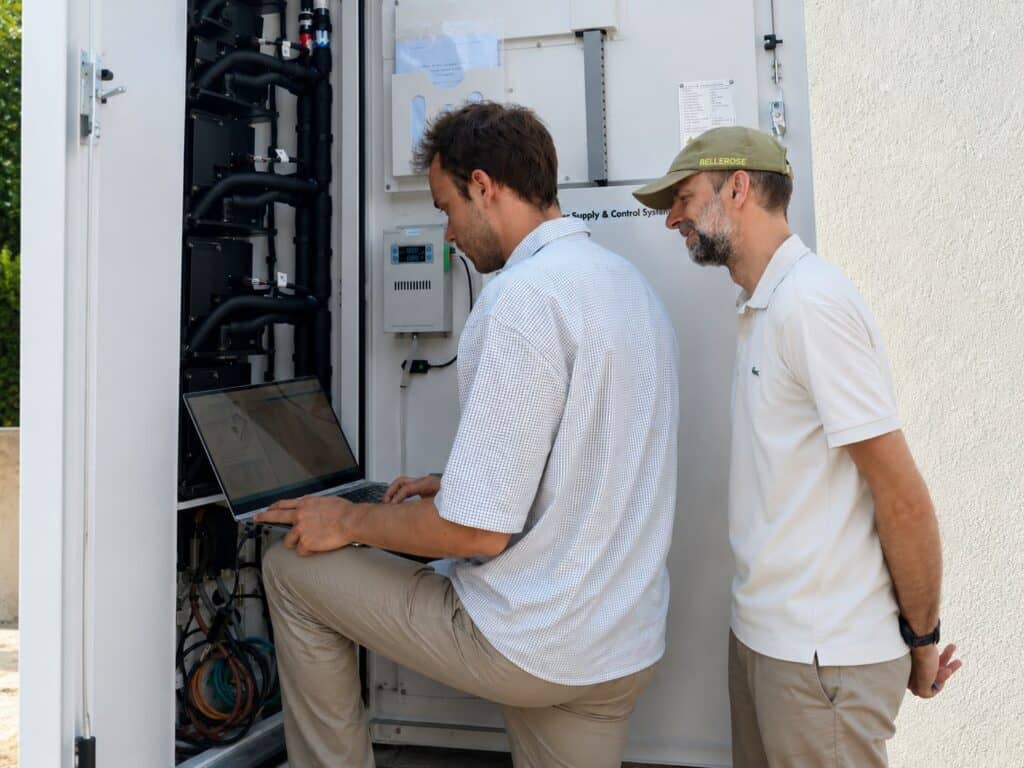
The battery itself is only one part of the investment. The real intelligence lies in the control system. A smart system decides when the battery should charge, discharge, or simply do nothing. This is determined based on consumption, generation, prices, peaks, and operational needs.
Without that control system, a battery is essentially just a storage unit. With a smart control system, it becomes an active component in your energy management. That difference often determines whether the ROI is worthwhile or not.
What makes a business case strong?
A high-quality battery case usually has a number of distinctive features:
- The company has solar panels or plans to install them in the near future.
- There are clear spikes in consumption.
- There is a growing demand for electricity, for example, due to charging stations or electrification.
- The energy contract offers opportunities for smart management.
- Power consumption is predictable enough to properly size the battery.
But just as important: the battery must be compatible with the company’s operations. Energy management should not hinder business operations; it should support them.
Conclusion: realistic, but not a given
A battery can be a significant investment for businesses. But not always. And certainly not automatically.
A realistic ROI is often between 3 and 7 years, depending on the business case. The best results are achieved when battery storage is combined with solar panels, peak load management, dynamic rates, charging management, and smart control. That’s why every good battery case starts with insight.
PowerBee tracks your energy consumption, peaks, generation, and energy costs. This helps you determine whether battery storage makes sense for your business, what capacity is realistic, and what payback period you can expect.
Because the question isn’t whether batteries are the future. The question is whether they’re already paying off for your business today.
Request your energy scan today!