

“Short circuit on Walloon power grid.” The headline from De Tijd is striking. But actually it is mostly … logical. Anyone involved with energy today has felt it for some time: our power grids can no longer keep up with economic and technological growth.
This is not a temporary problem. This is a structural bottleneck.
Energy transition accelerates, power grid does not
For years we have assumed one certainty: power is always, everywhere and unlimited. That certainty is disappearing. The demand for electricity is skyrocketing:
- electrification of production
- charging stations for staff and fleet
- heat pumps
- solar and wind energy
- batteries
- data centers
- AI applications consuming huge amounts of power
Everything runs on electricity. But the grid was built for a past without these surges.
The result: grid congestion (= saturation of the electricity grid). Not because there is too little energy, but because it cannot be transmitted when everyone needs it.
The quest for power: who gets grid capacity anymore?
Today, in addition to a race for customers and staff, a quiet competition is raging: A race for grid capacity.
Those who commit capacity today are in the right place. Those who wait risk ending up at the back. Big players have known this for a long time:
- Data centers reserve capacity years in advance
- large-scale projects claim what is available
And the SME? They often only discover the problem when the plans are already on the table.
“We want to grow,” but will the grid allow that?
Many SMEs are in the same story:
“We want to expand.”
“We are investing in new machinery.”
“We are electrifying our processes.”
But rarely is this question asked: Can my current connection actually handle that growth?
And more importantly, for how long?
Grid congestion often becomes apparent only when the grid operator says “no.” And then you’re too late.
Netherlands shows where we are going
In the Netherlands, grid congestion is already a daily reality:
- companies that can no longer connect
- expansions delayed for years
- projects that simply do not go forward
Belgium follows the same direction. All warning lights are on. This is not doom and gloom. This is looking ahead.
Innovation in response: energy communities and off-grid
Some companies don’t wait. They anticipate.
We see more and more:
- local energy communities
- smart steering and flexibility
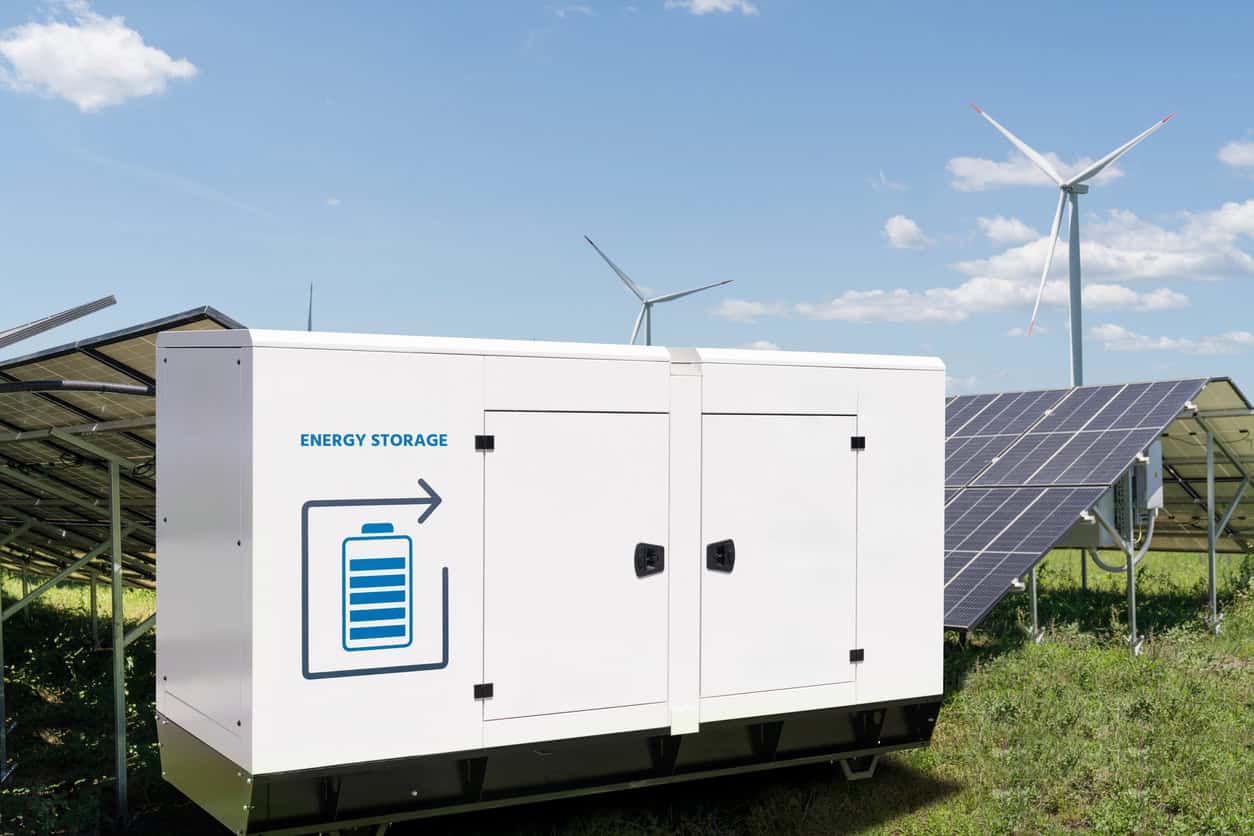
- battery storage
- partial or complete off-grid solutions
This requires innovation and creativity, but also boldness.
It is to be hoped – and necessary – that the government supports and encourages these solutions while continuing to invest in the existing grid.
But as a company, you can’t wait for this. Those who stand still notice it less; those who want to grow, electrify or invest … are most at risk.
Grid congestion is not a technical detail. It is a strategic factor for the future of your SME.

Conclusion
As unfortunate or unfair as we may think it is, it is no longer likely to be taken for granted that every business will always have access to sufficient electricity. And just that is something that you as an ambitious SME must take into account today.
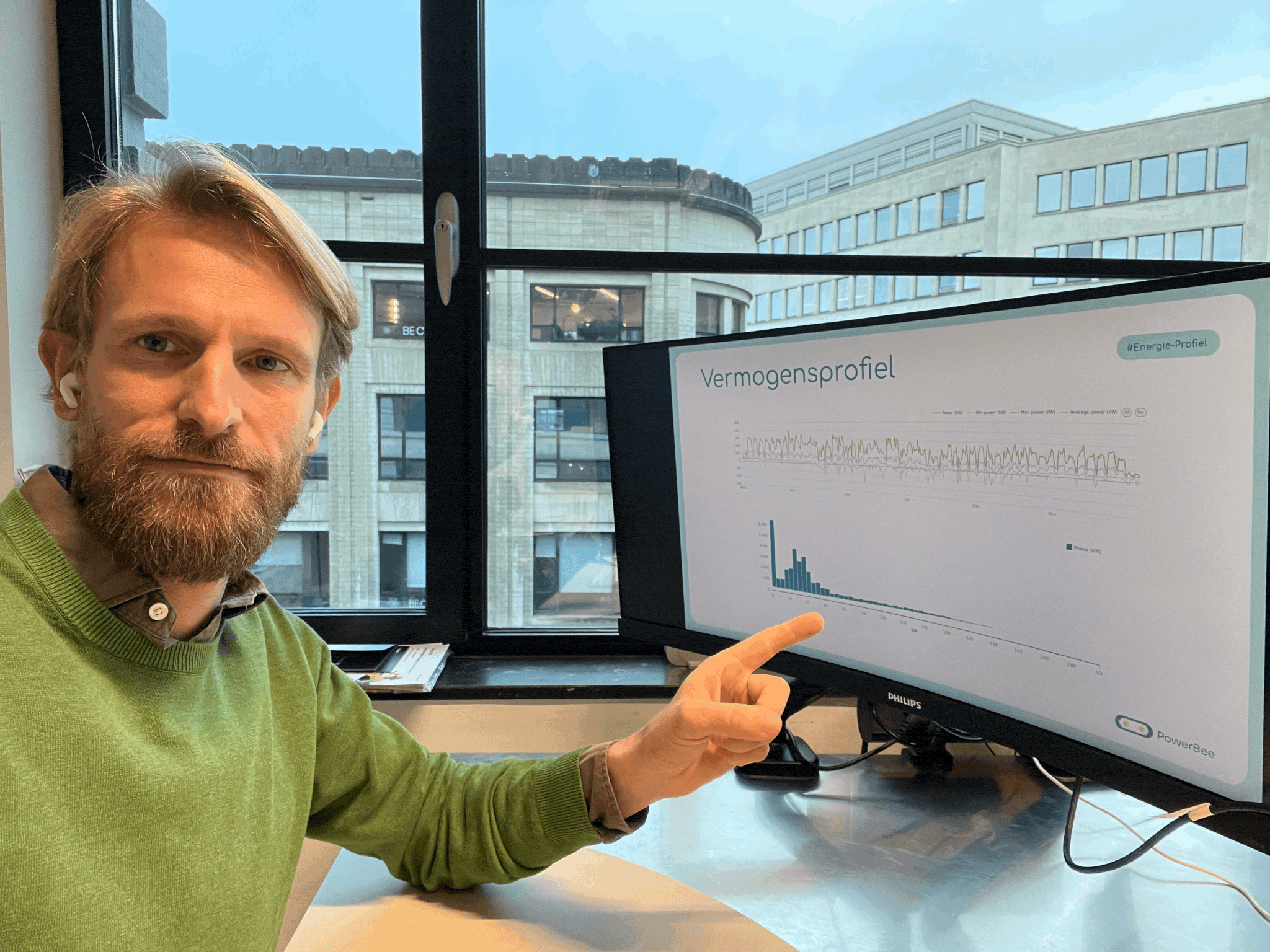
That’s why it starts with insight: an energy scan
The right question is not, “Do I have a problem today?”
But did:
- how much growth potential is left on my connection?
- Where are my peaks and limitations?
- Am I safe for the next few years?
- what should I include in future investments today?
You don’t discover that on gut feeling. You discover that with data.
Our energy scan gives you clarity, a grip on your plans and the ability to anticipate in time.
Want to know if your business still has room for growth on the grid? Then this is the time to focus on that. Get in touch or request your energy scan immediately via the form.