

New energy regulation in Flanders
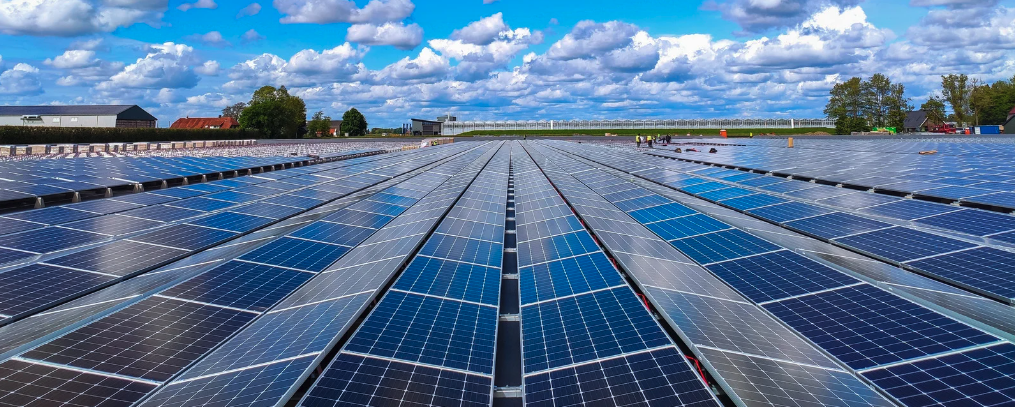
In a recent move toward sustainable energy solutions, the Flemish government, led by Energy Minister Zuhal Demir (N-VA), has announced a high-profile measure. Hundreds of companies and public institutions in Flanders will be required to install solar panels by June 30, 2025. These regulations target properties with annual energy consumption of more than 1,000 megawatt hours – equivalent to the consumption of about 300 households. For government buildings, including schools and healthcare facilities, the threshold is 250 megawatt hours.
This measure, announced two years ago, requires an estimated 2,500 business premises and 1,300 government buildings to switch to self-generating green electricity. At the time of the announcement, two-thirds of these rooftops were not yet equipped with solar panels.
Solar panel installers warn that for more complex installations, time is running out to meet the deadline, potentially resulting in hefty fines. Companies that miss the deadline can expect a fine of €400 per missing kilowatt peak, which can reach millions of euros for large installations.
Nevertheless, there is no question that these fines remove the obligation to generate green electricity. The obligation remains in place even after paying a fine, which may mean additional penalties for negligent parties.
Experts advise companies not only to meet the minimum requirements for 2025, but also to look ahead to future increases in these standards. By 2030, each square meter of roof area must produce at least 18.75 watt-peak, and this figure rises further to 25 watt-peak by 2035.
For properties where solar panels are difficult to install, such as roofs that are not suitable or where stability studies are needed, companies should consider alternatives such as ground panels, wall panels, carports or even floating systems on water.
The message is clear: don’t wait any longer. Now is the time to invest in green energy, not only to meet legal requirements, but also to take advantage of currently low solar panel prices and contribute to a more sustainable future.
The new regulations emphasize the importance of solar energy, but at PowerBee we believe true sustainability in energy management goes beyond just installing solar panels,” said Dieter Broes, CEO of PowerBee. “An integrated approach, looking at energy use, generation and storage in conjunction, is crucial for optimizing energy efficiency and minimizing environmental impact.”
More than solar panels
Modern energy management systems, such as those that PowerBee implements, often include a combination of renewable energy sources, such as wind and solar power, as well as advanced energy storage solutions and smart energy monitoring and management technologies. “This enables companies not only to comply with regulations, but also to significantly reduce their energy costs and future-proof their operations,” Peeters adds.
The first step: energy scan
To help companies navigate the complexities of modern energy management, PowerBee offers a comprehensive energy scan. This scan is designed to provide a detailed overview of current energy consumption, potential energy savings and the optimal mix of energy solutions for each unique situation.
“PowerBee’s energy scan is often the starting point for companies to understand where their biggest energy inefficiencies lie and how to address them,” says Peeters. “These insights allow companies to make informed decisions about investing in technologies that not only make economic sense, but also contribute to their sustainability goals.”
Ready for the Future
With the threat of fines and the obligation to generate green power, the need for a strategic approach to energy management is becoming clearer than ever. PowerBee helps companies develop forward-looking energy policies that respond to the ever-changing technological and regulatory landscapes.
“Investing in renewable energy solutions is not just a matter of complying with the law,” concludes Broes. “It’s a strategic move that keeps companies competitive and prepares them for a greener future.”
By implementing advanced energy management systems and integrating renewable energy sources, Flemish companies and public institutions can not only avoid fines but also play a leading role in the transition to a more sustainable economy.